
Before the Next Crisis: A Practice for Educators Supporting Immigrant Families
We can't always control the political climate our students and families face. But we can prepare ourselves to respond with greater clarity, purpose, and resilience. Anticipatory coping, or "coping ahead," helps us move from reactive overwhelm to intentional advocacy. Read on to learn more!
WHen The Signal Chats Start Buzzing
What started as a typical day turned into a nightmare. My phone started buzzing. The Signal app notifications were coming every few minutes. The families from my daughter’s bilingual school in Chicagoland were sharing ICE* sightings. As the day progressed, the alerts continued. Fear and uncertainty spread like wildfire and my nervous system began to dysregulate. For those unfamiliar with the local context, ICE terrorized big midwestern cities in the US like Chicago and Minneapolis in fall/winter of 2025, as reported on here.
*ICE refers to Immigration and Customs Enforcement and is an arm of the US government tasked with managing all matters related to immigration.
It’s almost as though this administration designed systems of fear and xenophobia to shake the most liberal and marginalized populations to our core.
When the situation began, my first response was to be available 24/7, to never miss a notification or respond to a text. But I soon realized that being “plugged in” to every update wasn’t helping me show up as my best self and in fact I was quickly descending into overwhelm. This was not a way that I could practice advocacy and soon realized I needed to find a better way to contribute while protecting my own mental health.
There’s no doubt that we are living in uncertain times and difficult situations will pop up. When a crisis hits at school, we try to determine what’s true, what requires action, and how to support students while continuing to manage an instructional day as best we can.
Now one year later and a bit removed, I think back on a helpful conversation I had with my boyfriend who is a licensed therapist. He shared a helpful concept from Dialectal Behavior Therapy called anticipatory coping: the act of preparing for difficult situations before they happen in an effort to offset nervous system dysregulation.
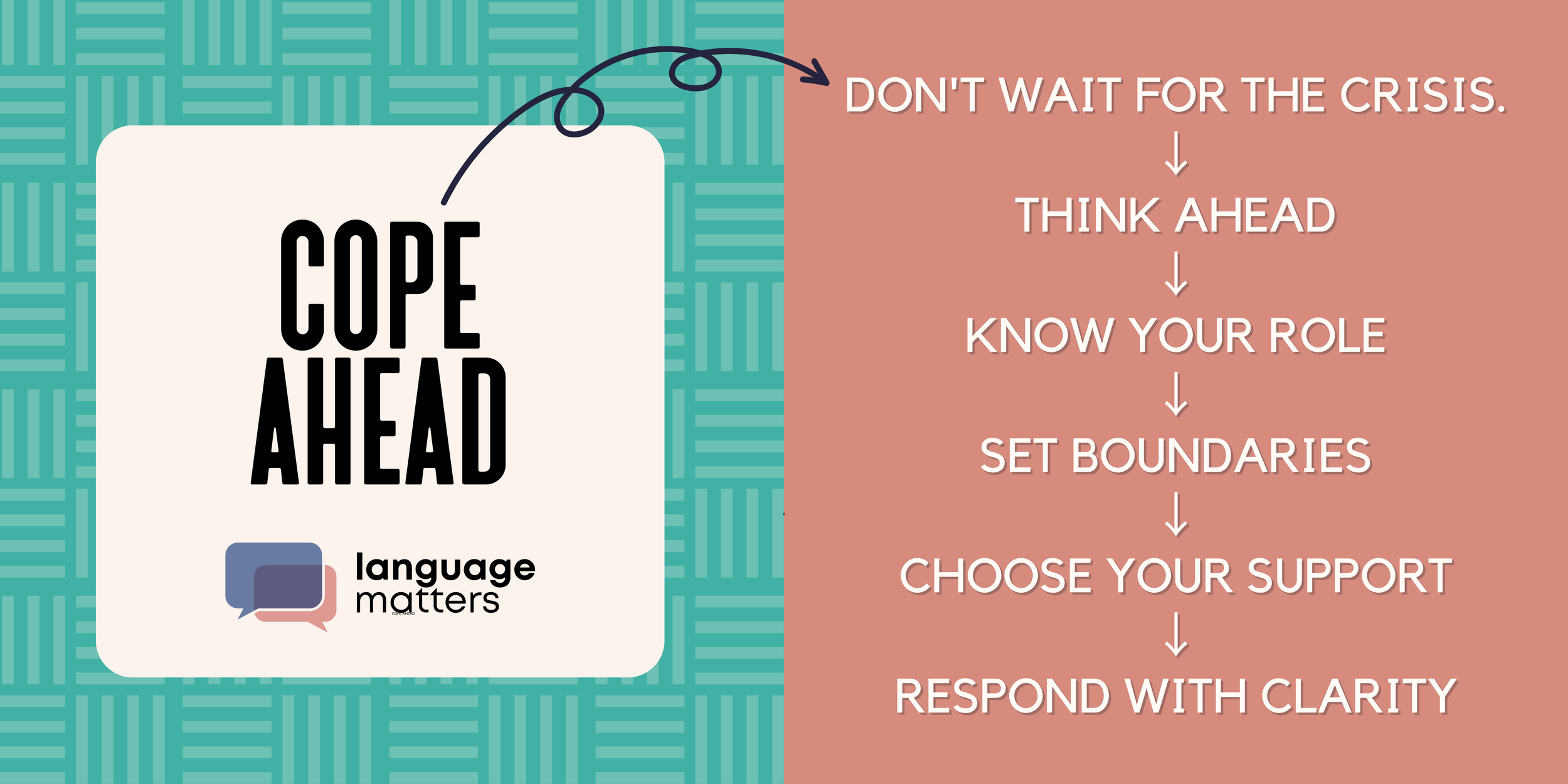
Ask Three Questions to “Cope Ahead”
What coping ahead means for each educator is unique and requires forethought on how we will respond in difficult situations. In order to prepare ourselves for these worst case scenarios without feeling burned out, we can ask ourselves certain questions. I invite you to take a moment to reflect on these questions and jot down your answers to help you better respond in future events.
Question 1: When Did You Feel Most Stressed Last Year?
Think back to the one event from the last school year that caused you the most stress. It may have been an active shooter drill, a student confiding in you about family issues, a medical crisis, or another moment that left you feeling overwhelmed. Take a moment to think about what happened and what was your response. How did it affect your body? Did it affect your teaching or your interactions with the students? Did it affect your personal life? How and when did you realize you were reaching your limit?
When I reflected on what happened at my daughter's school, I realized that the constant stream of alerts was pushing me to my personal limit. I felt responsible for staying informed at every moment, worried that if I stepped away, I might miss something. But instead of helping me respond more effectively, the alerts left me emotionally exhausted and incapable of caring for my daughter. The Signal chats were deeply unhelpful to the sustained advocacy work I am already engaged with, so I took a step back to identify where I could have the greatest impact.
Question 2: Where did you make an impact?
Once you've identified the situation and how it made you feel, the next step is to examine your response. Ask yourself: Where did you make a difference? In the middle of a crisis, it's easy to focus on everything you couldn't do or think about what you wish you had done. But this can blind us to the ways we were already making an impact.
Maybe you were the calm presence that helped a student feel safe. Maybe you listened without judgment, connected a family to resources, advocated for a student behind the scenes, or simply showed up consistently when everything else felt uncertain. Perhaps you were a resource gatherer to hand off to those on the frontlines of family safety. Even if these actions seem small, they matter deeply. (This is a fact I had to remind myself of on a near daily basis.)
As you reflect on your response, ask yourself: What role did I naturally step into? Your answer reveals not only your strengths but also the way you tend to support others. Understanding your instinctive response can help you prepare for future challenges with greater confidence. This exercise can reveal your natural advocacy skills while helping you stave off the burnout that comes with deep caring for others. (This is another tip my therapist boyfriend helped me understand.)
Curious what your advocacy archetype is? Click the button to find out.
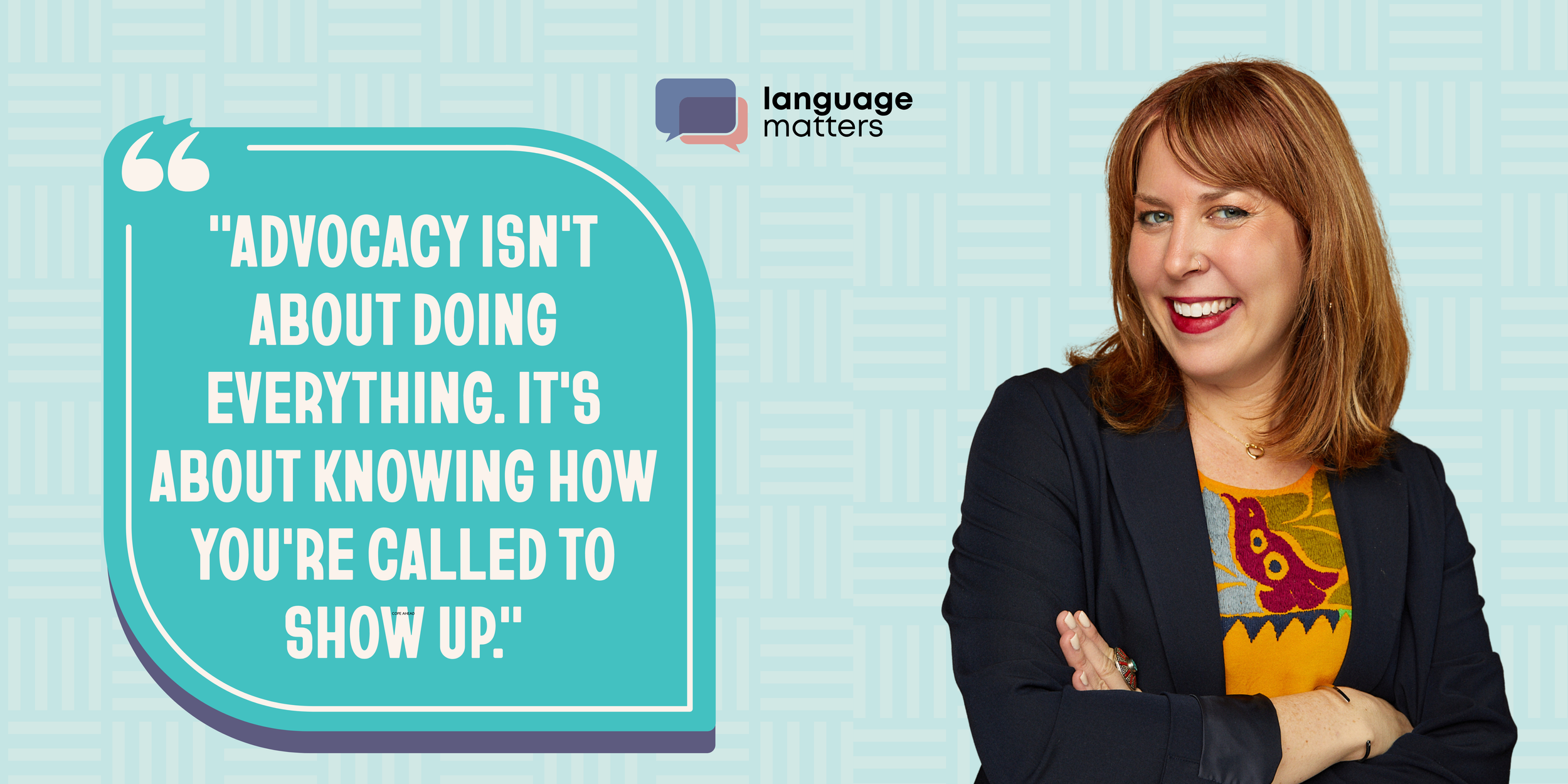
During the ICE raids, advocacy looked different than I expected.
I had assumed it would mean being constantly available or having the right answer at every moment. Instead, advocacy looked like ordinary people showing up in extraordinary circumstances. It looked like a community protecting its students and families together. These small victories deserve to be celebrated.
Thankfully, no families from my daughter's school were detained last fall. As parents, teachers, and neighbors checked in on one another, relationships deepened and trust grew. The crisis revealed the strength of a community. People were willing to step up, share information, offer support, and look out for one another. Looking back, I realized that the deepened sense of community was a silver lining of an otherwise horrific start to the school year.
Question 3: What’s Your Plan Moving Forward?
The first two questions asked you to reflect on the past. The third question invites you to prepare for the future. Anticipatory coping isn't about predicting every possible crisis. It's about deciding, in advance, how you want to respond when challenges arise. Consider the following:
who will you lean on for support?
what boundaries will you set to protect your capacity?
where can you plug in when a crisis unfolds?
what natural skills do you have to contribute to the movement?
Having a plan doesn't eliminate fear or uncertainty, but it allows you to respond with greater clarity when the unexpected happens.
In my own case, I don't have every detail figured out yet, but I know I can’t repeat last year's pattern. Before school starts, I plan to connect with the organizers of the Signal groups and have a conversation about how I can contribute in a way that is beneficial. Instead of feeling responsible for monitoring every update, I want to offer my support behind the scenes while holding certain boundaries that will allow me to keep showing up for my community should we find ourselves in the throes of another immigration raid.
Preparation is advocacy.
By reflecting on our past experiences, recognizing the ways we make a difference, and creating a plan before the next crisis unfolds, we can better determine how we want to respond. And sometimes, the most powerful thing we can offer our students is showing up, steady and ready, when they need us most.
If you're wondering how to advocate for multilingual learners and immigrant families without carrying the weight alone, I'd love to support you. My Advocacy During Scary Political Times workshop helps educators move from uncertainty to action with practical strategies for leading with courage, compassion, and purpose.
